In 2026, digital advertisement is still a monopoly of two giants, Google Ads vs Facebook Ads. The two platforms have undergone remarkable improvements, incorporating AI powers, smart automation, and new advertisement formats. But a single question remains most relevant to the marketer or the business owner: Which of the platforms is better in terms of ROI?
The fact is, the discussion of Google Ads vs Facebook Ads is no longer about just the number of clicks or impressions. It is about matching up the strengths of every platform with your marketing goal, target behavior, and funnels.
This article goes deep into discussing the battle of ROI in 2026, how both platforms compare against one another in terms of innovation, performance, and how they fit into various business models.
What’s New in Google Ads 2026: Smarter Automation, More AI, Better Targeting
Google Ads 2026 is more intelligent and automated, and focuses on ROI than ever before. The most significant innovation is the Performance Max campaigns, which provide the possibility of machine learning to display your ads across all Google platforms, including Search, YouTube, Display, Gmail, and Discover, with a single campaign setup.
This is what is new and defining:
- Real-time adjustments in AI-driven bidding are made on the basis of user behavior, place, time of day, and device utilization.
- Signals are also more focused on the audience, which allows advertisers to feed valid first-party data and signals of predictive intent to increase targeting.
- Enhanced conversions and Google Tag enable privacy-safe tracking to enable improved attribution despite cookie blockers.
- The new Gemini-friendly ad creatives generated by Generative AIs automatically make great images, headlines, and CTAs that run with search intent.
These characteristics assist brands, more specifically, e-commerce or SaaS brands, to convert more and waste less. ROI also increases due to fewer manual errors and smarter campaign choices made by AI.
Facebook Ads 2026: Is Meta’s Ad Engine Still Effective in a Post-iOS World?
Regardless of the privacy issues brought by iOS and Android updates, Facebook Ads 2026, a critical component of the Meta ecosystem, has been able to remain competitive.
At the core of this change are Meta Advantage+ campaigns. They employ machine learning to facilitate the simplification of campaigns and produce good outcomes, particularly when dealing with small and medium-sized businesses.
What works in 2026?
- Lead forms inside Facebook and Instagram offer sign-ups without leaving the platform.
- Click-to-WhatsApp ads have become more effective in engagement and conversion when it comes to service-type businesses and local businesses.
- Advertising opportunities on Instagram Stories and Reels are immersive for mobile users.
- Retargeting audiences built with AI can now infer interests even when pixel data is limited.
The visual storytelling, brand discovery, and impulse response remain the strengths of the platform, so it is ideal for top and mid-funnel campaigns.
Facebook vs Google Advertising Comparison: Where Each Platform Shines in 2026
Here is a quick overview of Facebook vs Google advertising comparison with a side-by-side view:
| Goals | Google Ads | Facebook Ads |
| Intent | Search intent-driven | Interest-driven |
| Best for | Bottom-of-funnel | Top and middle-of-funnel |
| Audience Targeting | Past behavior, device, keyword, location | Interest, behavior, demographics |
| Creative Format | Shopping ads, video, text, image | Carousel, stories, image, video |
| Average CPC | Higher with more purchase intent | Lower, but less buyer intent |
| Ease of Scaling | High-level with Performance Max | High-level with lookalike audiences |
| Analytics | Accurate with Google Analytics | Strong in-platform insights |
Which Ad Platform Is Better in 2026? It Depends on Your Business Goals
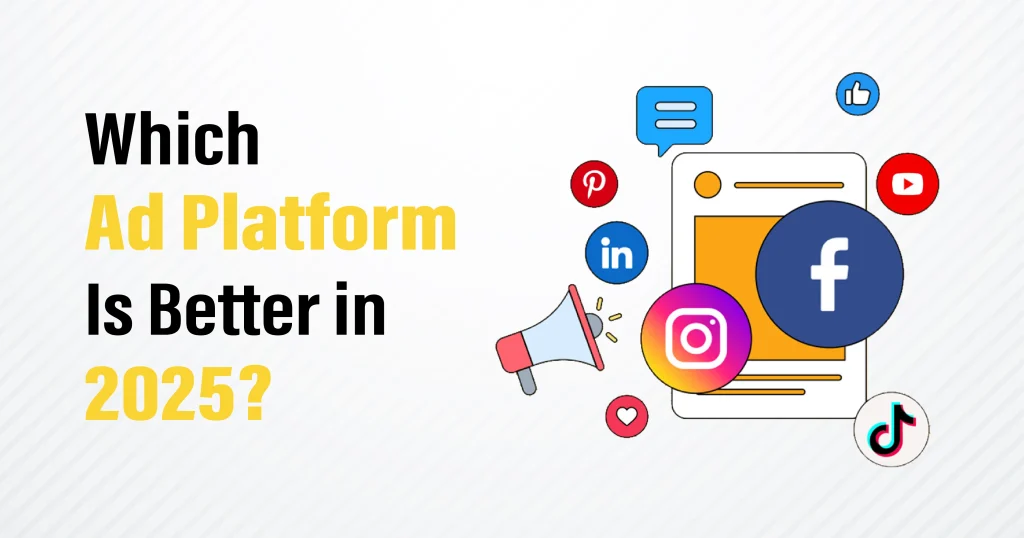
Curious to know which ad platform is better in 2026? The solution lies in the business model and the marketing objectives:
- Google Ads 2026 works better in e-commerce stores, particularly when shopping campaigns and branded search are used.
- Facebook Ads tend to work well with coaches, consultants, and info-product sellers to tell and deliver lead magnets.
- Local businesses can consider using either platform successfully based on their budget, product, and consumer behavior.
Instead of following the trends, intelligent advertisers now select the platform depending on the buyer behavior. Ask yourself, where is my audience in the buying journey, and make a decision.
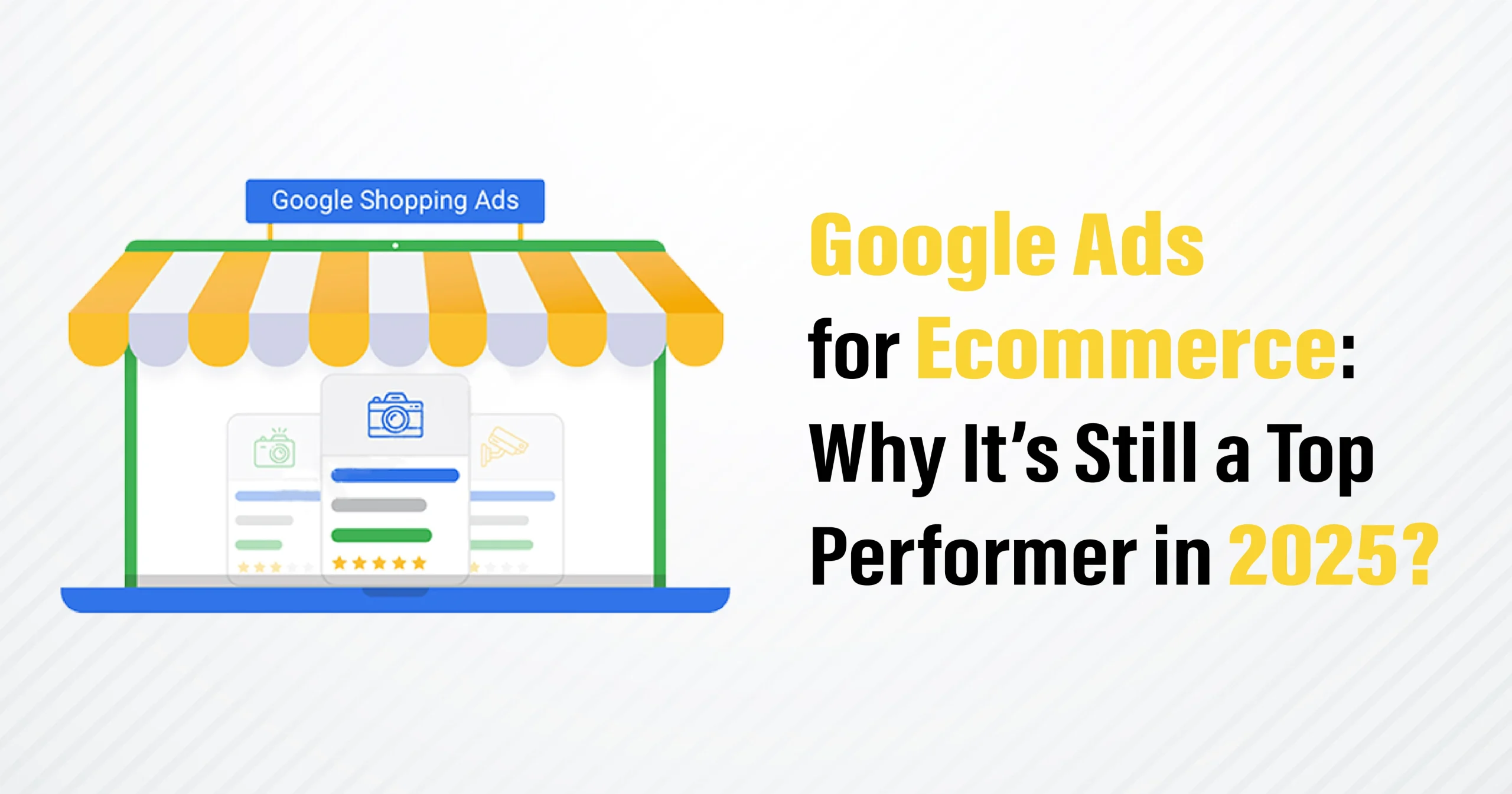
Google Ads for Ecommerce: Why It’s Still a Top Performer in 2026
One of the most effective tools in 2026 is Google Ads for e-commerce. The reasons?
- Performance Max campaigns use product information, audience intent, and advertisement creatives in full-funnel targeting.
- Google Shopping Ads can display your product, price, reviews, and image – all on its search page.
- The retargeting provided through Display and YouTube also re-engages window shoppers and cart abandoners.
- Branded search campaigns guarantee that you own your name and control your brand equity and flow of conversions.
As an example, a fitness brand that sells online experienced a 40 percent sales boost when utilizing both Shopping Ads and branded search. Google ads provide efficiency and profitability to stores that exclusively depend on direct response and measurable sales. Briefly, in 2026, Google Ads will still attract direct sales and quality traffic to e-commerce brands.
Facebook Ads ROI vs Google Ads: What the Data Says About Returns in 2026
In 2026, the debate between Facebook ads ROI vs Google ads ROI will still be led by concrete numbers. Although the two platforms are relatively high-performance, they greatly contrast in ROI delivery. Facebook Ads tend to deliver a lower cost-per-lead (CPL), particularly in industries such as real estate, coaching, and events, where a story and personal interaction are the cornerstones. Conversely, Google Ads are great ways of achieving the best purchase intent all the time, especially in e-commerce brands and high-ticket service providers that seek better lifetime value (LTV).
The variations are also evident in the manner of tracking of results by each of the platforms. Facebook continues to use in-platform attribution, where results may distort the performance figures. Conversely, Google employs a more sophisticated multi-touch tracking with the help of its GA4, which provides advertisers with a better understanding of the overall customer journey.
Case Study For Comparison:
For example, a Shopify store selling fitness gear reported a 3.5x return on ad spend (ROAS) from Google Ads, while Facebook delivered a 2.2x ROAS. Facebook, however, was better at cultivating email lists as well as generating top-of-funnel traffic. This makes an interesting point here, not every contest is really about picking a winner. Rather, advertisers should be aware of how each of the platforms serves a distinct role in the marketing funnel and design their efforts accordingly.
Facebook Ads for Lead Generation: What Still Works in 2026
The same applies to Facebook Ads for lead generation. 2026 has quite successful outcomes and, with the help of innovative funnels, the performance can be even better. Strategies that are still effective:
- Pre-filled instant lead forms to minimize the friction.
- Gated offers like free PDFs, webinar invites, and trial sign-ups to boost conversions.
- Retargeting flows are determined by page visit, video views, or add-to-cart behavior.
- Story ads and Reels that evoke emotion in the user and stimulate interest.
Final Verdict: Google Ads vs Facebook Ads - Who Wins the ROI War in 2026?
In the current Google Ads vs Facebook Ads dilemma, there is no winner; it is just the correct one, depending on the objectives of the business. In case you want to drive sales among high-intent purchasers, Google Ads continues to deliver with search and shopping functionality. Conversely, Facebook Ads are astonishingly effective when your goal is generating leads, finding a new brand, or fostering interest. In 2026, most brands realize the best ROI by co-utilizing both platforms, Google collecting demand and Facebook generating it.
Need assistance in selecting an appropriate ad mix for your business? Simply get in touch with Boost Agency Ltd now to get a strategy session to help make your choice.
Quick Checklist to Choose the Right Ad Platform in 2026
What’s your goal?
- Sales = Google
- Leads = Facebook
What’s your budget?
- Small = Facebook
- Bigger = Test both
Who’s your audience?
- High-intent searchers = Google
- Explorers = Facebook
What funnel stage are they in?
- Bottom = Google
- Top/Mid = Facebook
This logical approach will help you choose the right ad platform and avoid costly experiments.