Ad costs are about to spike. Here's how to plan the next five weeks so Black Friday makes you money instead of just making you busy.
Every December, I get at least one call that starts the same way. "We had our best Black Friday ever. Revenue was huge. So why is there no money in the bank?"
The answer is almost always the same, too. They discounted hard, ad costs doubled, and nobody checked whether the maths still worked. A good Black Friday ad strategy comes down to knowing exactly what each sale costs you when every brand on the planet is bidding for the same eyeballs.
This year, Black Friday falls on 27 November and Cyber Monday on 30 November. That gives you roughly a month to get ready, which is enough time if you start now.
Here's how I'd plan this year's Black Friday ad strategy.
Meta, Google and TikTok all run auctions. In November, every retailer from small Shopify stores to global brands piles in at once, and the price of reaching the same person shoots up. CPMs typically climb through November, peak around Black Friday weekend, and stay high until mid-December.
Here's the thing most brands miss: higher CPMs aren't automatically a problem. Conversion rates also rise in this window because people are actively shopping. The danger is when you combine expensive impressions with deep discounts and loose targeting. That's the combination that torches margin.
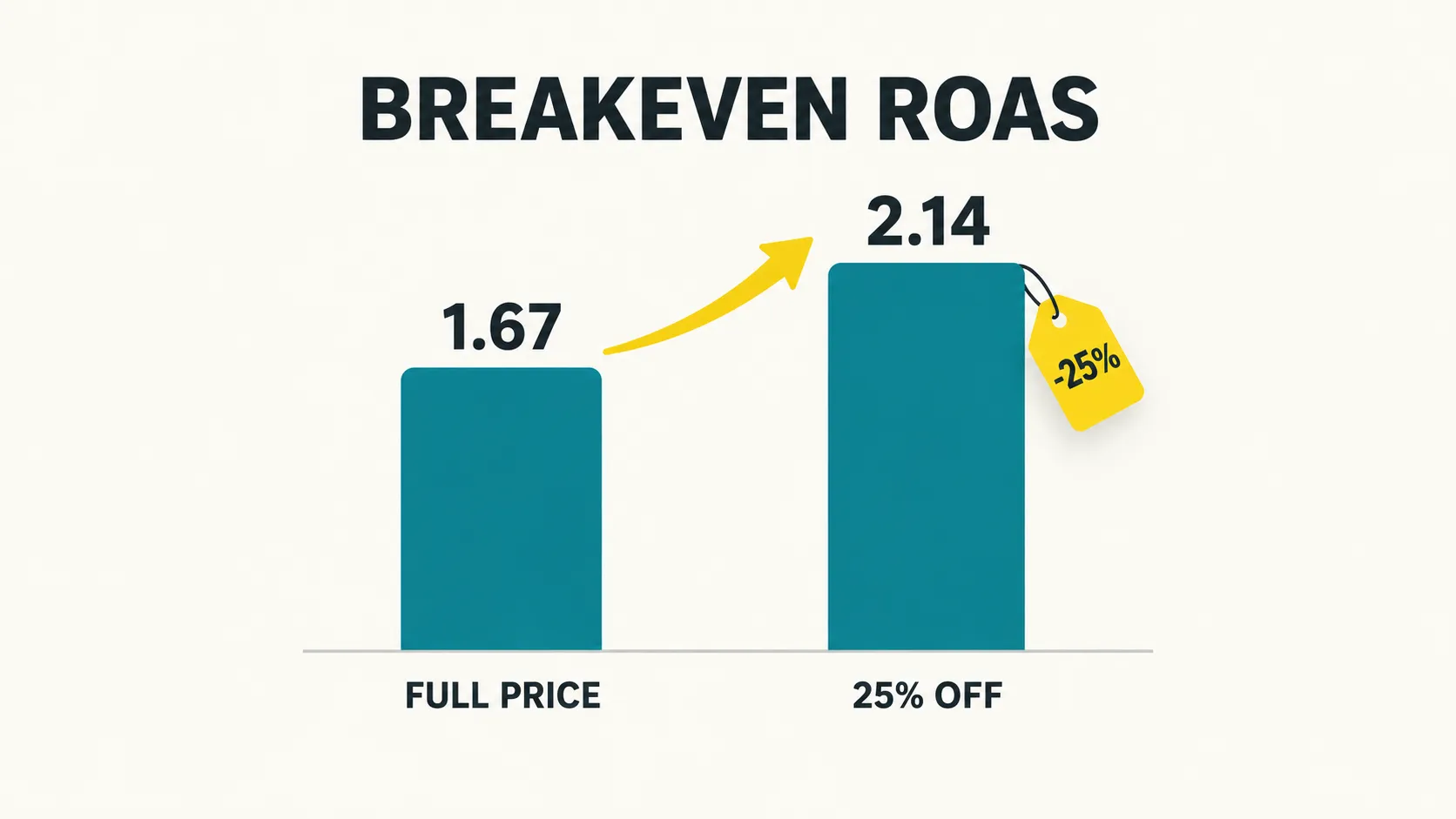
Before you decide on 20% off or 40% off, work out your breakeven ROAS at each discount level. It takes ten minutes and it'll change how you think about the whole season.
Take a product that sells for £60 and costs £24 to make and ship. Your gross margin is £36, or 60%, so your breakeven ROAS at full price is about 1.67. Every £1 of ad spend needs to bring in £1.67 just to break even.
Now discount it 25% to £45. Your margin drops to £21, which is about 47% of the sale price, and your breakeven ROAS jumps to roughly 2.14. Same product, same ads, but you now need almost 30% more revenue per pound of ad spend just to stand still.
Do this for your top sellers and you'll know exactly how deep you can go. Often the answer is "less deep than we planned," or "bundle instead of discount."
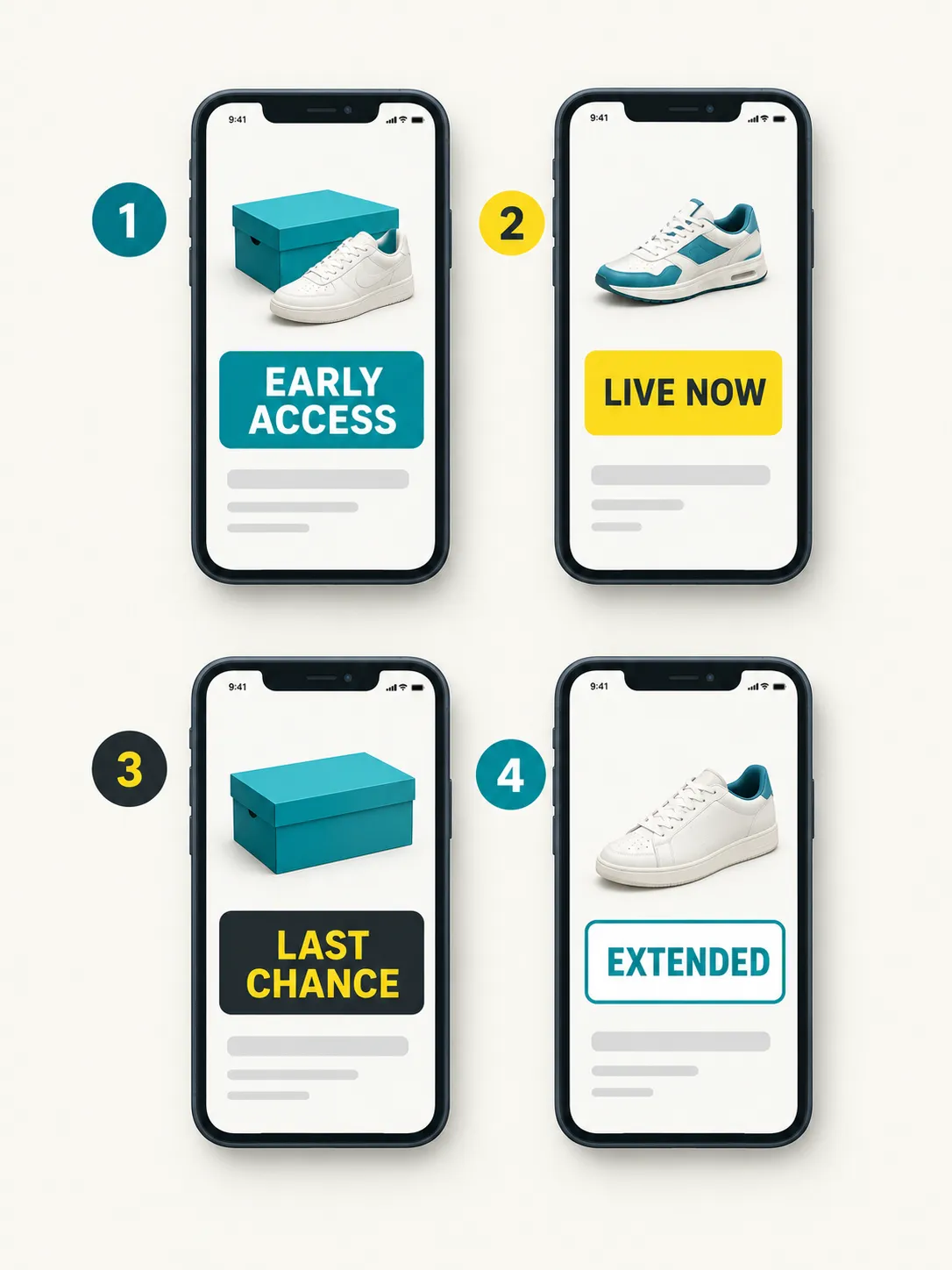
Black Friday isn't one day anymore. Treat it as a five-week campaign with distinct phases:
The cheapest Black Friday customer is one you don't have to pay Meta or Google to reach on the day. Every email and SMS subscriber you collect in late October and early November is someone you can sell to over Black Friday weekend at almost zero media cost.
An "early access" or "VIP list" campaign works well here. Offer subscribers first dibs on the sale, or a slightly better deal than the public offer. You pay normal CPMs now to collect leads, then cash them in when everyone else is paying peak prices.
On Black Friday, every ad in the feed says "SALE." Yours needs to be clear in under two seconds: what's the product, what's the deal, when does it end.
This is where most Black Friday ad strategy plans burn margin. A few rules I stick to:
Tripling a budget overnight can throw a campaign back into learning right when you need it stable. Raise budgets in steps over the days leading up to Black Friday instead.
On Facebook ads, cost cap or bid cap strategies let you tell Meta the most you're willing to pay. Set the cap from your breakeven ROAS, not from what you paid in September. You'll spend less on expensive days, and that's the point.
On Google Ads, seasonality adjustments let you warn Smart Bidding that conversion rates will spike for a few days. Without one, the algorithm can be slow to react, then overcorrect afterwards. Make sure your Shopping feed shows sale prices accurately, too.
Ads Manager attribution gets messy over a busy weekend. Track total store revenue against total ad spend every day, and compare it with the breakeven figures you worked out earlier.
Even a solid Black Friday ad strategy can fall apart on a handful of avoidable mistakes:
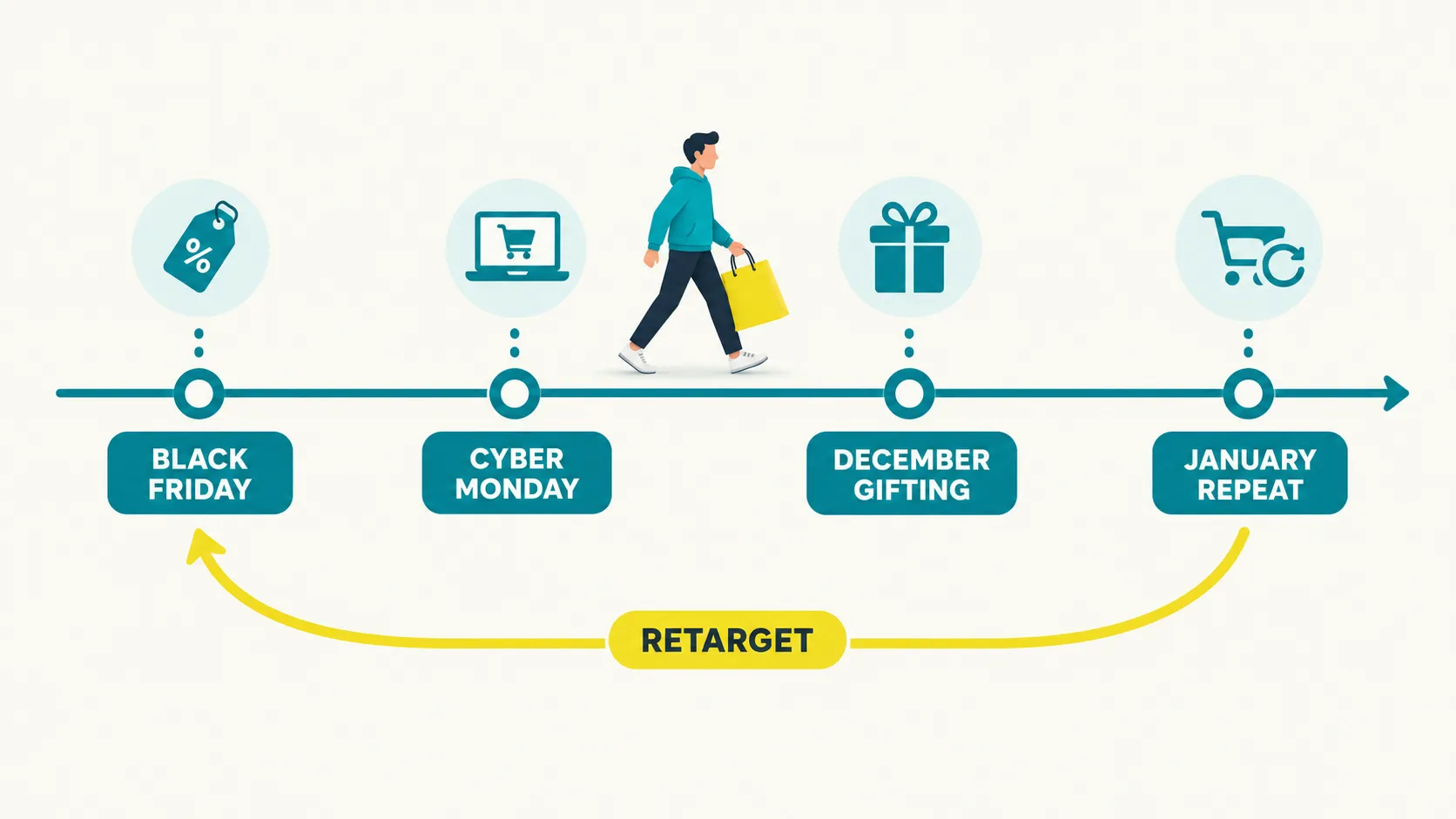
The work isn't finished on 30 November, and the best Black Friday ad strategy plans for what comes after. Black Friday buyers are your best retargeting audience for December gifting and January repeat purchases. Thank them, cross-sell, and invite them back once CPMs drop in the new year. That's where the customers you paid peak prices for start becoming profitable.
If you want help planning the whole season, our ecommerce ads team builds Q4 plans around margin first.
A profitable Black Friday ad strategy starts weeks before the sale. Work out your breakeven ROAS at every discount level, build your email list while ads are still affordable, and lock in proven creative early.
During peak week, scale gradually, cap your costs, and lean on retargeting and owned channels instead of paying top price for cold traffic. Then keep those new customers buying in December and January.
Do that, and the busiest week of your year can also be the most profitable.
Send us your offer, margins and current ad setup. We'll show you where the plan is likely to leak money and what we'd change before Black Friday.
Talk to Our Ecommerce Ads Team